How Do Dry Cleaners Work?

September 18, 2026

Share this article:

At Readywear Cleaners, we get this question a lot: what actually happens to your clothes once they leave the counter? Dry cleaners use a specialized cleaning solvent instead of water, but the process involves far more than tossing garments into a machine. Each item is inspected, treated for problem areas, cleaned, dried, pressed, and inspected again before it comes back to you. Here's what actually happens, step by step.  


How Dry Cleaning Works Without Water

The biggest difference between dry cleaning and home washing is what's used to clean your clothes. Instead of water and detergent, dry cleaning uses a specialized liquid solvent to lift away dirt, body oils, and stains. This can be a better fit for wool, silk, tailored jackets, and other garments that may shrink, lose their shape, or change texture when exposed to water and agitation.


The cleaning solvent itself matters too. We use the GreenEarth® eco-friendly cleaning process, which uses a clear, odorless liquid silicone instead of PERC or petroleum-based solvents. Curious how GreenEarth's process specifically compares to older solvents? We've broken that down in a separate post.

Inspection, Tagging, and Stain Treatment

Before a garment goes through the cleaning cycle, it's inspected for stains, fabric type, care instructions, and details that may need special attention. Each item is also tagged so it can be tracked throughout the process. 


If there's a visible stain, our team treats it individually before the main cleaning cycle — a step the industry calls spotting. Rather than relying on the general wash or solvent cycle alone, a specific stain-removal agent is matched to the type of stain, whether that's oil-based, protein-based, or something else, before the garment moves on. Spotting increases the chances of fully removing a stain without being too aggressive on the fabric around it. 


Certain stains, like oil and grease, tend to respond particularly well to solvent-based cleaning, though results can depend on the stain's age, the fabric, and any previous treatment. Pointing out a stain and sharing what caused it can also help our team determine the right spotting treatment. We'll cover which specific stains respond best to which treatments in an upcoming post.

The Solvent Cleaning and Drying Cycle

Once stains have been treated, garments are sorted by factors like color, fabric, and any special care needs rather than combined into one load. They then move into the dry cleaning machine, where they're gently tumbled in the cleaning solvent. As the solvent moves through the fabric, it lifts away body oils, dirt, and other soils. 


After cleaning, the solvent is extracted from the garments and the drying cycle begins. Warm air removes any remaining solvent, leaving the garments dry and ready for finishing. By the time they leave the machine, the cleaning solvent has been removed and recovered.


Not Every Item Goes Through the Solvent Cycle

Not everything that comes through our doors gets cleaned the same way. Items like cotton dress shirts are typically laundered — washed with water and detergent, much like a home washing machine — rather than run through the solvent cycle described above. The garment still goes through the same careful inspection, tagging, and stain treatment first, and the same professional pressing and finishing afterward; only the cleaning step itself is different. 


We've covered when a cleaner launders instead of dry cleans in our post on dry cleaning vs. washing at home, and a closer look at why professional shirt laundering beats home ironing is coming soon.
Pressing, Finishing, and Final Inspection

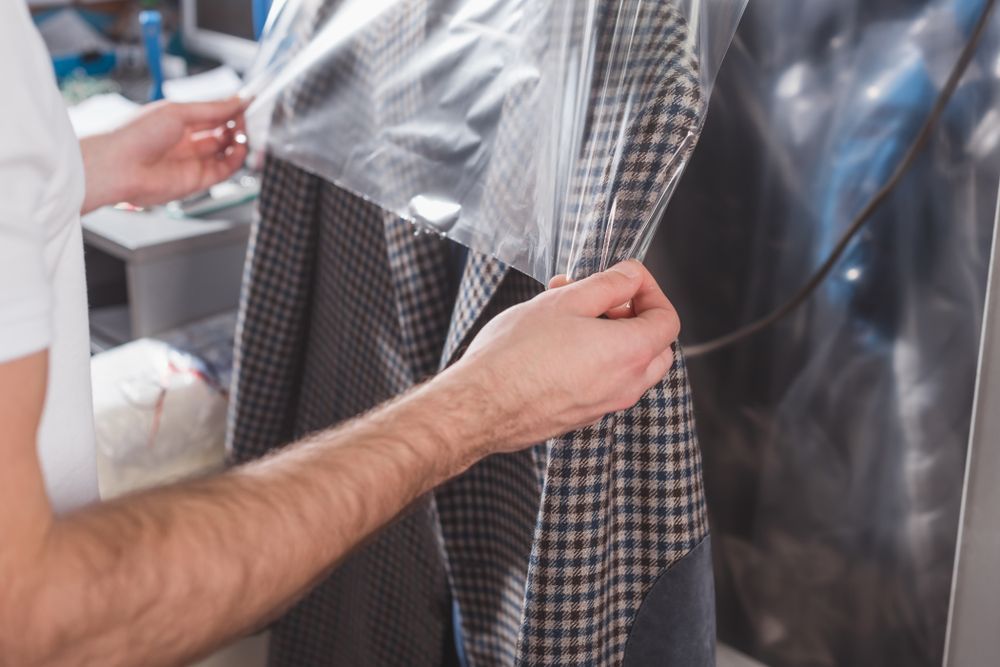
Cleaning is only part of professional dry cleaning. Once garments are dry, they're professionally pressed and finished to smooth wrinkles and restore the shape and appearance of details like collars, cuffs, pleats, and seams. Each garment then receives a final inspection so any remaining spots or finishing concerns can be addressed before it's returned. 


Once your clothes are back in your closet, the next question is often when they need to come in again. Knowing how often to dry clean your clothes can help prevent stains, odors, and body oils from building up between cleanings. For frequent customers looking to save time on errands, we also offer pickup and delivery for approved customers based on request. Explore our website at readywearcleaners.com or call 630-443-7700 to learn more about our garment care services.

Recent Resources

Person sewing blue fabric on a machine with visible red thread in a workroom
September 19, 2026
Learn what affects alteration cost, typical price ranges by garment, and how to get an accurate estimate at Readywear Cleaners.
Hands measuring fabric with a blue tape measure on a worktable
September 17, 2026
Learn how long it takes to tailor a suit, typical alteration costs, and what to expect at Readywear Cleaners.
Hand loading a beige towel into a front-loading washing machine
July 31, 2026
Learn when to wash clothes at home and when professional dry cleaning is the better choice. Protect delicate fabrics, tailored garments, and specialty items while keeping your wardrobe looking its best.